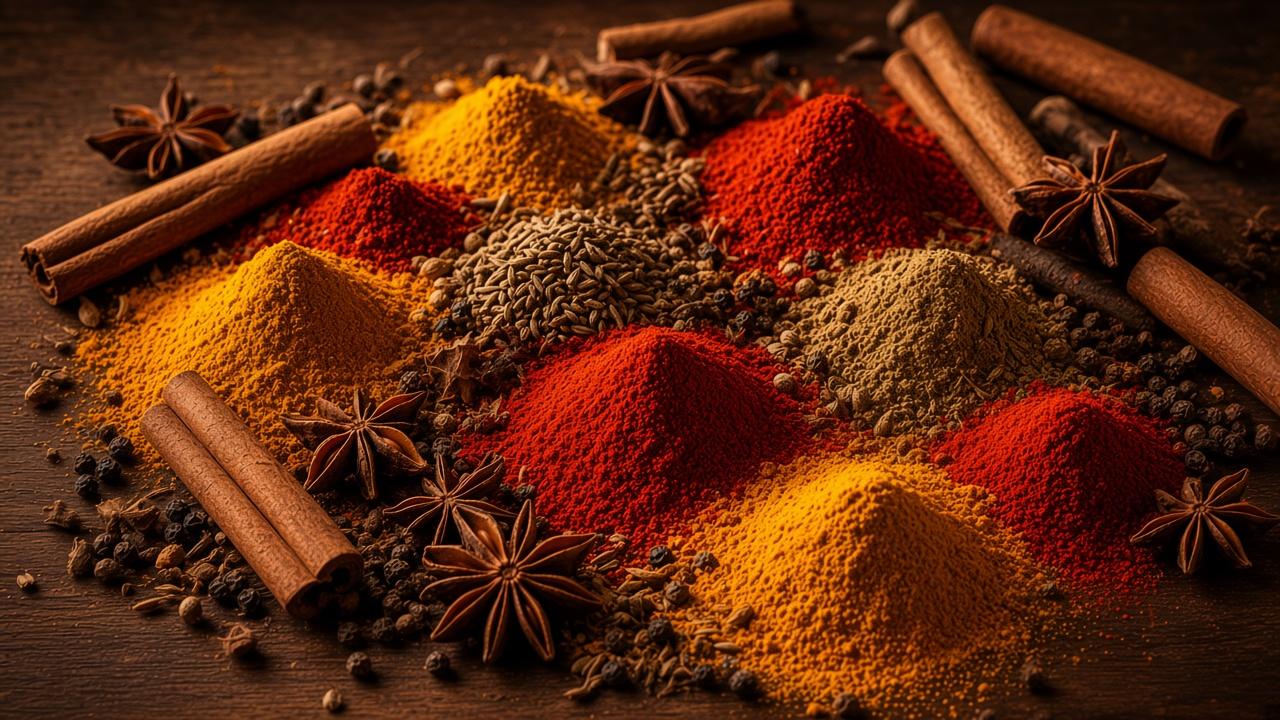
Seasonal spice harvest notes from India
Spices are agricultural. Harvest windows explain why a lot’s aroma changes through the year. This is a calendar, not a farm diary we did not write.
What we will not invent
We will not pretend to have walked a specific farm this week unless operations confirm it. Harvest seasons below are well-known trade calendars. Lot-level origin stays on the pack.
Typical windows
Cumin (jeera) in western India is often a winter–spring harvest story, traded through markets such as Unjha. Coriander seed follows overlapping seed-spice calendars in Rajasthan–Gujarat belts.
Turmeric in Tamil Nadu (Erode is a common reference) is a longer crop. Dried red chilli in Andhra/Karnataka belts is harvested in waves; colour and heat vary by variety and lot.
Cardamom and pepper from the Western Ghats (Kerala–Karnataka) are humid-hill crops. Saffron, when genuine, is a tiny autumn stigma harvest — not a bulk commodity.
How to read this as a UK customer
A fresher lot usually smells louder. That is not a medical claim. Open the region pages for Kerala, Rajasthan, Gujarat, Andhra Pradesh, Tamil Nadu, Kashmir, Karnataka and Maharashtra, then shop SKUs that match the spice you actually want.